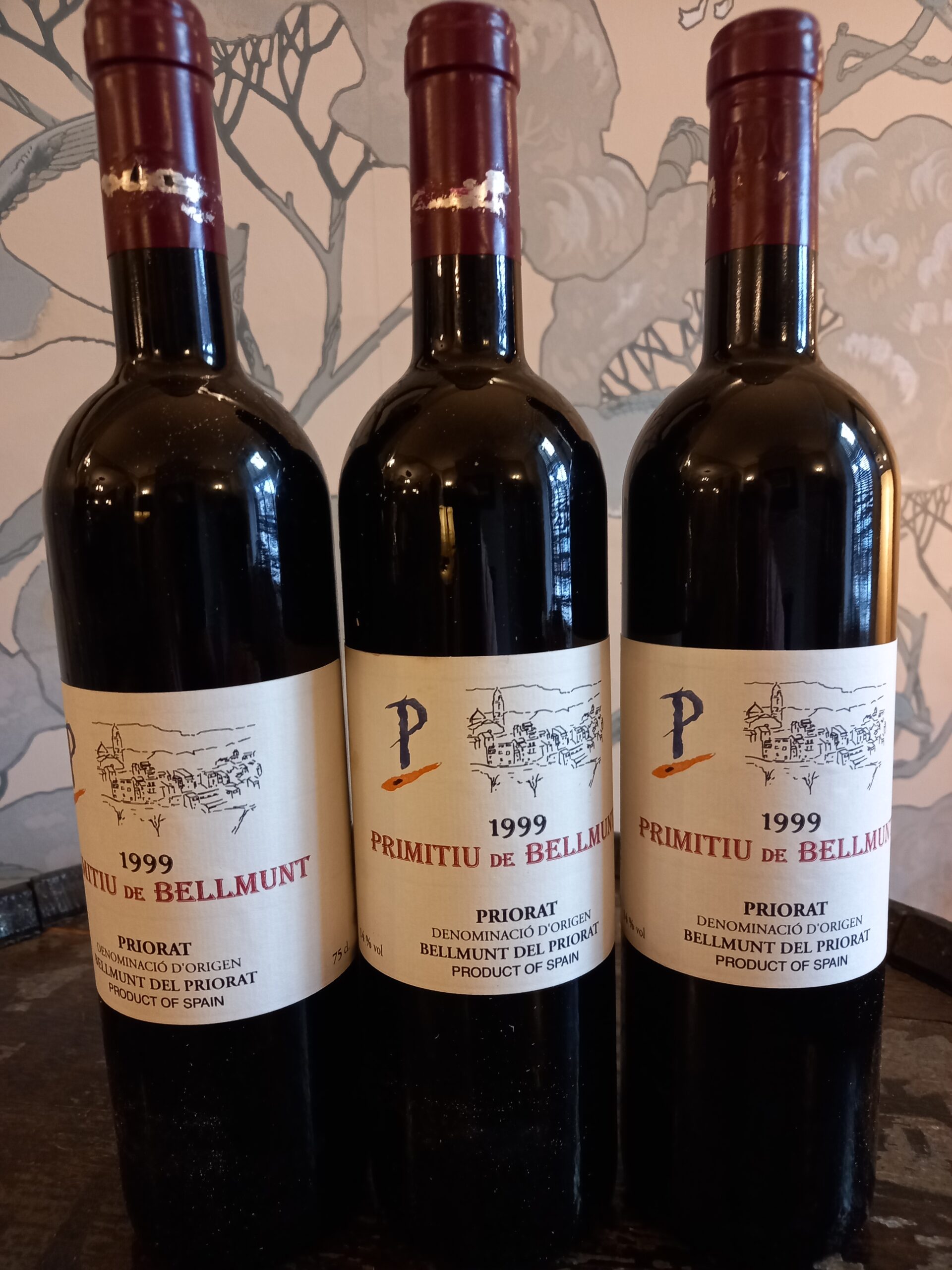
Description
The small wine region of Catalonia in north-eastern Spain has shot to fame in the past few decades thanks to its intense, full-bodied red wines; the classic Priorat wine is made from old-vine Garnacha and Samso/Cariñena, and has concentrated aromas of licorice, tar and brandied cherries.
Red Priorat wine (the region also produces tiny quantities of white and rosé) is exceptional in three key regards. First, it is one of very few world-class wine styles to be based on Grenache – a category in which it is joined only by red Châteauneuf-du-Pape and the top-end wines from California’s Sine Qua Non.
Second, it is one of only two styles to hold Spain’s top-tier DOCa classification (the other being Rioja). And third, it has risen from being almost unheard-of on the international wine market to being one of the world’s most expensive wines.
Spain’s hot, dry vineyards are known for their low yields, but Priorat’s vines are low-yielding even by Spanish standards. Yields here average less than five hectoliters per hectare (500 liters per hectare).
Officially, the maximum permitted yield for the region is six tons per hectare (around 4500 liters per hectare or 2.4 tons per acre – although this is rarely attained) for red wines and eight tons per hectare (around 6000 liters per hectare or 3.2 tons per acre) for white wines.
To provide some context, the Spanish average is 25 hectoliters per hectare (2500 liters per hectare), while vineyards in cool, wet Germany yield closer to 80 hl/ha (8000 liters per hectare).
Yield is closely linked to quality: lower yields generally mean higher quality. There are three key reasons for Priorat’s super-low yields: climate, nutrient-poor soils and vine age.
Priorat climate
The official Priorat viticultural area (which is surrounded entirely by that of the Montsant DO) covers 11 parishes located just inland from the city of Tarragona. The climate here is remarkably continental, given its relative proximity to the Mediterranean (Torreja del Priorat lies just 25km/15 miles from the coast).
Summers are long, hot and dry, and annual rainfall averages 500mm – comparable to that of dry, dusty Montilla-Moriles down in Andalucia. The particular combination of geographical factors makes this one of the warmest, driest areas anywhere in Spain.
Priorat soils
Soil is of paramount importance to winemakers in Priorat as this is reputed to impart much of the minerality associated with the region’s wines. Priorat’s flagship soil type is “llicorella” – a free-draining, nutrient-poor soil made up of partially-decomposed slate and quartz (‘llicorella’ is the Catalan name for slate).